TL;DR: Consumer brands can no longer afford to run isolated retail channels—unified physical-to-digital ("phygital") experiences are the new baseline. This CPG and FMCG playbook shows how we configure HubSpot as a lightweight Customer Data Platform (CDP). We'll cover how to build a Single Customer View, map out physical-to-digital journeys, and scale your first-party data without the enterprise-level price tag.
Defining the CPG and FMCG Omnichannel Playbook
To win shelf space and digital carts, we have to solve a massive challenge: How do you actually execute omnichannel marketing for a CPG or FMCG brand? We believe the answer starts with a solid CPG and FMCG Omnichannel Playbook. This is your blueprint for connecting digital touchpoints—like direct-to-consumer (DTC) storefronts, social shopping, and Retail Media Networks (RMNs)—directly to your physical grocery and retail shelf space.
The numbers back this up. NielsenIQ (NIQ) 2026 data shows that 86% of U.S. CPG sales come from omnichannel shoppers who move constantly between physical and digital worlds. On top of that, Circana (2025) found that 76% of U.S. CPG omnichannel growth over the last year came from e-commerce transactions. Yet, grabbing a consumer's attention has never been harder. The SAP Global Consumer Products Report (2026) points out that 72% of CPG marketers struggle to build meaningful customer relationships because of fragmented touchpoints.
For decades, CPG brands stood at arm's length from their end consumers, leaving distribution and customer relationships entirely to retail partners. But with third-party cookies fading away and retail media inventory getting incredibly crowded, building a first-party data asset is no longer optional. This guide outlines how we use HubSpot as the engine to connect your offline and online customer touchpoints.
HubSpot as a CDP: Establishing a Single Customer View
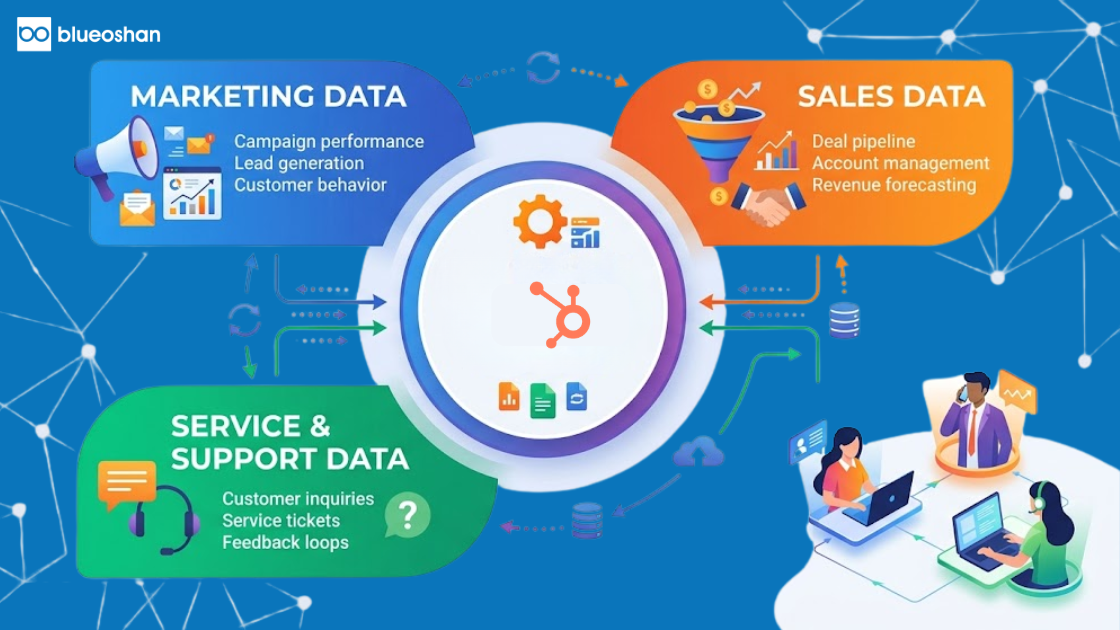
A common myth is that you need an incredibly expensive, complex Customer Data Platform (CDP) like Segment or Tealium to get a Single Customer View (SCV). While those platforms are powerful, they often bring major administrative headaches and require dedicated engineering teams. For scaling enterprise and mid-market brands, HubSpot is far more than a basic crm system; we've found it makes a highly effective, central CDP.
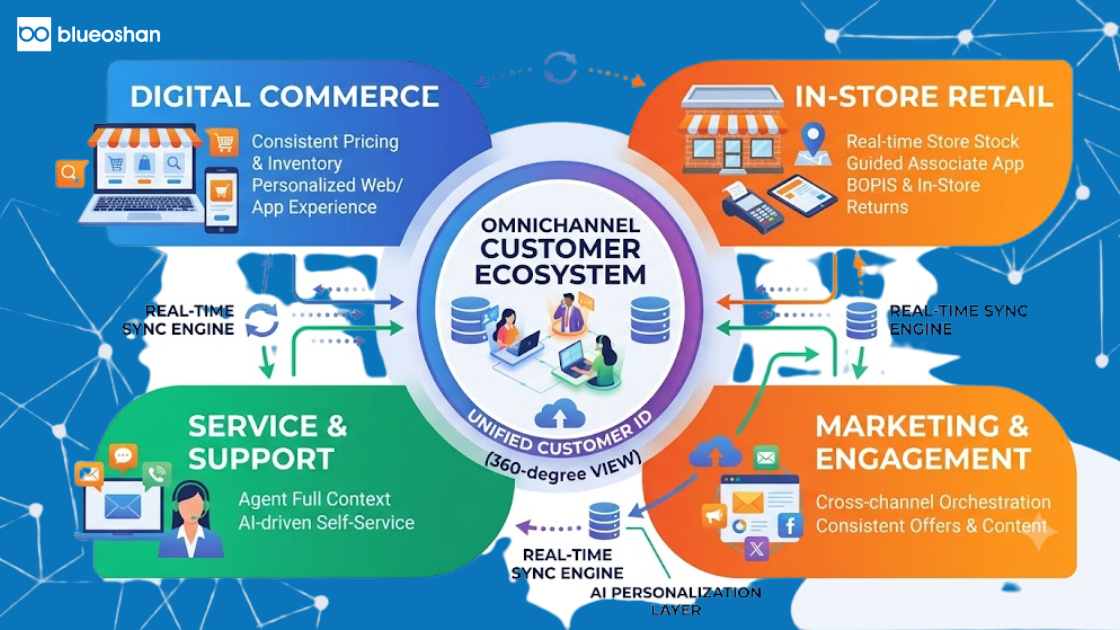
We often work with brands managing dozens of websites, offline QR codes, and distributor portals, but with absolutely no central source of truth. To build a reliable Single Customer View, you have to bring all those disparate touchpoints into one room. HubSpot functions as a CDP by pulling in customer data from your DTC store, in-store loyalty apps, receipt-scanning promos, and email marketing tools.
By mapping custom properties and utilizing custom objects, HubSpot lets you track offline coupon redemptions right alongside online click behavior. This means your marketing team won't waste money serving generic ads to someone who is already a highly active in-store buyer. A solid Single Customer View lets you build precise segments based on actual purchase habits, not just broad demographic guesses.
Stitching Together Phygital Journeys in CPG
The phrase "phygital" might sound like marketing jargon, but it represents how people actually shop. Think about a typical journey: a customer scans a QR code on a cereal box to unlock a coupon, gets a quick SMS follow-up, and then redeems that discount at their local grocery store checkout.
To make these phygital journeys work, you need real-time data syncing. The moment a customer scans that QR code, their HubSpot profile needs to update instantly. From there, we can use predictive AI to trigger immediate, relevant messages—like localized digital wallet passes—to drive quick foot traffic to your retail partners.
Retail Media Networks (RMNs) play an increasingly vital role in these journeys. McKinsey and Company (2025/2026) reports that Retail Media Networks are projected to add $1.3 trillion to enterprise values in the U.S. alone by 2026, operating at profit margins between 50% and 70%. By syncing your HubSpot audience lists directly with these major retail networks, you can serve personalized display ads to shoppers while they walk the aisles of physical grocery stores. This keeps your brand top-of-mind exactly when they are making a buying decision.
Building Your First-Party Data Foundation
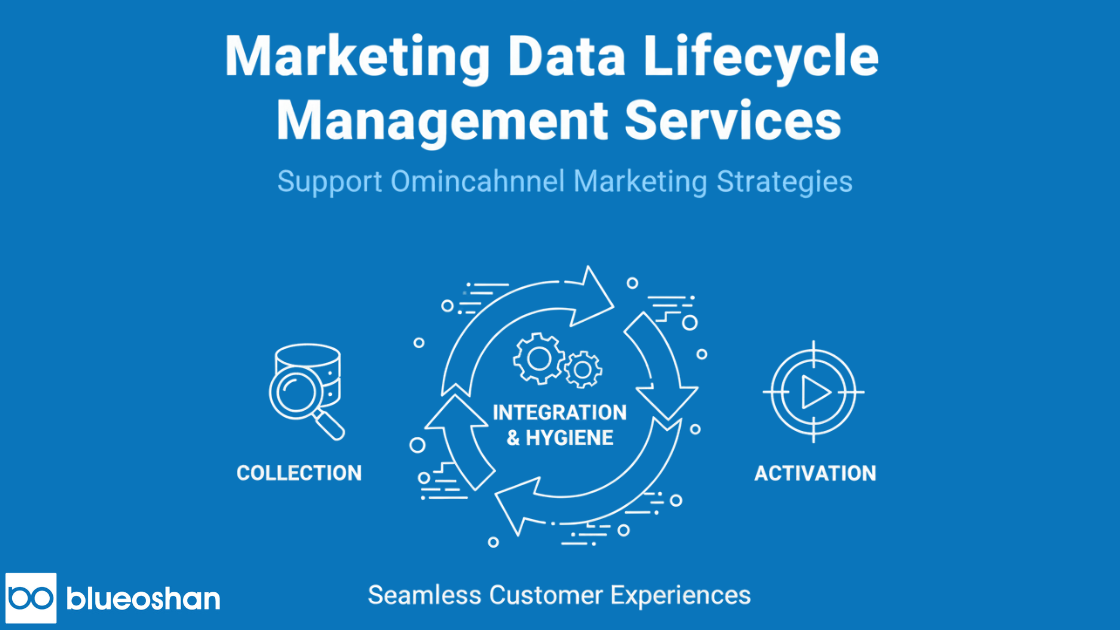
An effective CPG and FMCG Omnichannel Playbook lives or dies by its first-party data foundation. If your customer data is messy, your personalization efforts will fall flat. When setting up your data ecosystem, it's critical to understand Which Marketing Data Lifecycle Services Power Omnichannel Marketing? so you can protect your data integrity from day one.
We recommend focusing on three core pillars to keep HubSpot clean and useful:
Data Capture and Standardization: Use strict naming conventions for custom properties and set up validation rules to stop bad data at the door. Rely on multi-channel forms, QR code landing pages, and direct point-of-sale integrations.
De-duplication and Identity Resolution: Make sure offline events (like receipt uploads or packaging scans) match existing digital profiles. Link them using unique markers like email addresses or phone numbers.
Continuous Cleansing: Set up automated workflows in HubSpot to prune unengaged contacts, update product preferences, and archive outdated consumer records.
When your first-party data is clean, you can segment audiences based on deep intent. For instance, you can instantly target customers who scanned a QR code in-store but haven't visited your online DTC shop in 30 days, sending a personalized offer to bring them back.
Optimizing Your Digital Marketing Tech Stack
A fragmented digital marketing tech stack is one of the biggest roadblocks to successful omnichannel marketing. We see too many CPG and FMCG brands relying on disconnected tools for email, social commerce, inventory management, and wholesale relations. To build a unified campaign, these platforms must talk to each other.
When we design these architectures, we treat HubSpot as the meat in your marketing technology sandwich. The top layer holds your consumer-facing channels—social media, DTC sites, and physical QR codes. The bottom layer consists of backend infrastructure: your ERP, warehouse management systems (WMS), and product database.
Forward-thinking CPG brands are leaving isolated inventory tracking behind in favor of unified, real-time shared inventory pools. Connecting these inventory databases to HubSpot prevents you from spending money promoting out-of-stock items. If a local warehouse runs out of stock, HubSpot can immediately pause localized email sends and social ads, saving your budget and protecting customer goodwill.
Executing Your Playbook with HubSpot Workflows
With your Single Customer View in place and your tech stack talking, you're ready to launch targeted campaigns. The real engine of your CPG and FMCG Omnichannel Playbook is automating the entire consumer journey using HubSpot workflows.
Here is a practical look at how we build a phygital workflow:
The Trigger: A customer scans an in-store QR code and fills out a quick mobile form to grab a digital recipe book and a 20% discount coupon.
HubSpot Enrollment: The user is automatically enrolled in a smart list for that product line, instantly updating their customer record.
Immediate Delivery: HubSpot automatically fires off an SMS or email delivering the recipe book and their mobile-wallet coupon.
AI-Driven Personalization: The SAP Consumer Products Engagement Report (2026) notes that 92% of CPG and consumer products marketers are actively using AI for personalization. HubSpot uses predictive AI to recommend complementary items that pair perfectly with the product they just scanned.
The Offline Check: The workflow pauses for 7 days. If they haven't redeemed the coupon, HubSpot triggers a quick push notification or a dynamic Instagram ad showing a recipe tutorial video to rebuild interest.
This automated approach keeps your audience engaged across both digital and physical touchpoints without requiring constant manual work from your marketing team.
Deloitte and PepsiCo Omnichannel Insights
When we build these frameworks, we look at what industry leaders are doing right. Deloitte's research on digital-to-shelf journeys highlights a crucial shift: your physical product isn't the finish line of a customer relationship—it's the gateway to digital engagement. Physical packaging acts as one of your best acquisition channels for first-party data.
PepsiCo's omnichannel strategies (frequently highlighted in Mastercard Insights) show the power of linking online campaigns directly to physical store sales. By matching transaction data from payment networks with retail loyalty programs, PepsiCo continuously refines its localized digital ads. This ensures localized spend actually drives brick-and-mortar sales, rather than wasting ad dollars in regions where products are out of stock.
These big-brand examples prove that omnichannel isn't about choosing DTC over traditional retail. It's about building an ecosystem where both channels fuel each other. Using HubSpot to map and track these multi-channel behaviors lets you scale highly personalized experiences that build lasting brand loyalty.
Frequently Asked Questions
What is a CPG and FMCG Omnichannel Playbook? It's a strategic system that connects digital and offline touchpoints—including physical shelves, DTC sites, social media, and retail media networks—to create a seamless customer experience.
How can HubSpot serve as a CDP for FMCG brands? By pulling in data from various platforms, HubSpot uses custom objects and custom properties to build a Single Customer View, tracking digital interactions alongside offline store purchases.
What are phygital journeys in consumer goods marketing? They are blended consumer experiences that bridge the physical and digital worlds, such as a customer scanning an on-pack QR code, receiving a digital discount, and redeeming it in-store.
How does first-party data help CPG brands? It helps brands build direct relationships with shoppers, run targeted, personalized campaigns, and reduce reliance on dying third-party tracking cookies.
What role does AI play in omnichannel marketing? According to SAP (2026), 92% of CPG marketers use AI to customize customer experiences in real time, serving up personalized recommendations and optimizing mobile timing based on real behavior.
Partner with BlueOShan for HubSpot Technical Consulting
Building an enterprise-level CPG and FMCG Omnichannel Playbook demands deep technical expertise and smart systems integration. At BlueOShan, we're an applied AI and marketing technology consulting firm. We specialize in helping mid-sized and large CPG and FMCG brands transform their CRM systems into highly optimized Customer Data Platforms.
Whether you need to build custom APIs, design a rock-solid first-party data structure, or deploy complex phygital workflows, our team is here to guide you. We'll help you break down data silos and establish a true Single Customer View.
Ready to upgrade your marketing technology stack? Get in touch with us at BlueOShan today for specialized HubSpot Technical Consulting, and let's build an omnichannel experience that drives real growth.



 Previous Post